DataPlay
~ the goodbye ~
BMG put about half a dozen albums out on DataPlay discs on 15 October 2002. DataPlay filed for Chapter 11 on the 18th. Three days is not a product launch. It is the receipt for one.
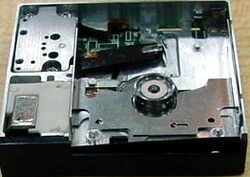
The disc was 32 millimeters across and sealed in a small protective cartridge. Each side held 250 megabytes, so 500 in total, and the company rated the media for a hundred years. It was meant to carry an album at good quality in something the size of a coin, at a moment when the alternative was a compact disc twelve centimeters wide. On the engineering it was genuinely ahead of everything. On timing it was not.
Steve Volk founded it in Longmont, Colorado in 1998 and raised more than a hundred million dollars. The investor list is the part that still surprises. Intel and Kodak were in it. So were Olympus and Toshiba and Samsung. These were not speculators looking for a flip, they were companies that intended to manufacture the thing.
I was eighteen in 2002, in the internet cafe stretch, and where I lived the price of a song had already gone to zero. DataPlay's central idea was that you would buy a small disc with locked material already pressed onto it and then pay again later, over the internet, to open the rest. It is hard to think of a proposal more precisely out of step with what that year actually felt like.
~ the chronicle ~
| Born | 1998, Longmont, Colorado |
|---|---|
| Peak | January 2001, Best of Show at CES |
| Killed | 18 October 2002 |
| Lifespan | four years, one week of it at retail |
| Made by | Steve Volk |
| Killed by | manufacturing it was harder than designing it |
~ the pitch ~
The locked content model was why the record labels liked it. A disc could ship with a whole extra album already on it that you had not paid for, and the key would come down from a server when you did. The rights management came out of the Secure Digital Music Initiative, the industry effort that was supposed to produce a copy-protected replacement for the CD and produced almost nothing else.
It won Best of Show at CES in 2001, which in that era guaranteed coverage and nothing beyond coverage. Players were expected around 369 dollars. Machines from iRiver reached Circuit City and Best Buy, and Imation shipped blank media. Everything a format needs was in place except the part where a factory could make the discs reliably.
~ the day it died ~
Volk's own explanation was manufacturing. The machines that were supposed to produce the discs turned out to be very hard to build, and every delay cost credibility with people who had already been waiting years. Money that was there for the asking in 1999 was not there for the asking in 2002, and a hardware company that misses its window does not get given another one.
The original management bought the assets back out of bankruptcy in 2003 and showed a revised version at CES in 2004, this time with a normal FAT file system instead of the proprietary one. Nobody was listening by then. The iPod had shipped in October 2001 and the argument about what music lives on had been settled without anyone consulting the disc.
~ leave a rose ~
an anonymous tribute. one rose per visitor per day.
@}-->-- ... roses left here
~ leave a wreath ~
a rose fades by morning. a wreath stays on this grave for good, with your name on it.
from $1, paid once through stripe. it keeps the graveyard running: the hosting and the nightly digging. adopt it and the headstone reads "maintained in memory by" you. the groundskeeper plants new wreaths at the next tending, usually within a day.
» one email a week: new graves and the anniversaries of the dead. subscribe
other media formats: HD DVD, Vector Markup Language, 8-Track Cartridge, Total Hi Def
also died in the 2000s: Ghostzilla, ThunderHawk, QBasic
~ leave a note ~
visitors before you have left these graveside notes. anonymous welcome.