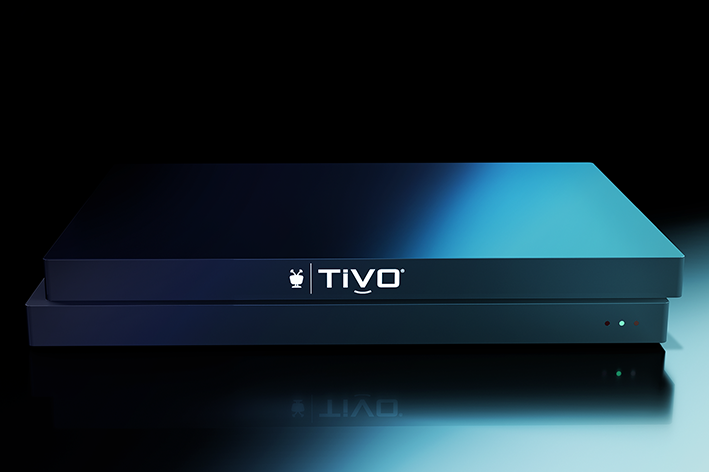
TiVo (the cultural product)
» see tivo.com as it lived, on the wayback machine
~ the goodbye ~
tivo launched on 31 march 1999. the first product was a small grey box with a hard drive that connected to your TV and your phone line. you could record shows by name (the famous "season pass" feature), pause live TV (a thing that nobody had been able to do before, on consumer hardware), rewind through commercials, and skip ahead at will. it was a small revolution in how americans watched broadcast television.
i never had a tivo. turkey did not have the cable subscription model that gave tivo its market. when i moved to digital TV here it was already through streaming on a laptop, not through a DVR connected to a cable box. but tivo was iconic in american tech culture for about a decade, and "i tivo'd it" became a verb in english that you would hear in shows and movies.
the company peaked around 2006 with about 4 million subscribers. the trouble started when cable companies (comcast, AT&T u-verse, time warner) started building their own DVR products and bundling them with cable subscriptions. tivo had to compete on retail with cable companies that owned the distribution channel. that is a hard fight.
the second wave was streaming. once netflix went streaming-only in 2007 and americans started cutting cable, the entire DVR category lost its purpose. you do not need to record a show if you can watch it whenever you want. tivo tried various hybrid streaming-plus-DVR products through the 2010s but never recovered the cultural position it had in the 2000s.
the company was acquired by rovi corporation in september 2016 (rovi kept the tivo brand name). the combined entity was acquired by xperi in june 2020. tivo today exists as a software licensing brand inside xperi, plus some retail boxes (tivo edge, tivo stream) that are sold to a small dedicated user base. the cultural moment is over.
~ the chronicle ~
| Born | 31 March 1999 (Series 1 launch) |
|---|---|
| Peak subscribers | ~4 million (mid-2000s) |
| Acquired by Rovi | September 2016 |
| Acquired by Xperi | June 2020 |
| Lifespan as a cultural product | ~21 years |
| Made by | Jim Barton, Mike Ramsay (TiVo Inc., Alviso, California) |
| Killed by | cable-company DVRs (Comcast Xfinity, AT&T U-verse), netflix, the move from scheduled TV to streaming |
~ what it actually did ~
the hardware was a small box with a hard drive (40 gigabytes on the first model, scaled up over the years). it sat next to your TV. it had a phone line connection (later replaced with ethernet) that it used to download the program guide and your subscription metadata. it had a special remote that became famously well-designed: the "tivo peanut" remote was widely admired, and several of its design choices ended up influencing TV remotes in general.
the software was the part that made it different from other early DVRs. season pass let you tell tivo to record every new episode of a show, including reruns, with rules about how many to keep. wishlist let you record any program matching a search (so "any movie with tom hanks" would just show up in your library). suggestions used your viewing patterns to record things it thought you might like (creepy in 2000, normal now).
pause-live-TV was the killer demo. you would be watching a football game. someone called you. you would pick up the phone, hit pause on the remote, take the call, hit play, resume watching. for people in 1999 who had never had this capability, it was magic. the demo was reliable. it sold a lot of tivos.
~ the cable industry response ~
cable companies saw the threat clearly by around 2003. they started rolling out their own DVRs (comcast's was a generic motorola unit; time warner had its own brand). these DVRs were inferior to tivo as products. the season pass was less reliable. the interface was uglier. the suggestions were worse. but they had two huge advantages.
first, they were rented as part of your cable subscription. customers did not have to buy a separate device for 200 dollars. they just paid a small monthly DVR fee on top of cable. for most consumers this was the easier choice. tivo had to compete on retail with this bundled model and never figured out how.
second, the cable companies controlled the distribution. for tivo to work properly with digital cable, it needed cablecard support (a small card that decoded the cable signal). cable companies were slow to support cablecard, and the experience for tivo customers was often worse than just using the cable company's DVR. this was strategic on the cable companies' part. tivo spent years in regulatory complaints about it.
~ how streaming finished it off ~
netflix went streaming in 2007. by 2010 streaming was a real category. by 2015 streaming was where most americans were getting their entertainment. cord-cutting, where households dropped their cable subscriptions entirely, accelerated through the late 2010s.
tivo's whole product depended on broadcast TV being the main thing people watched. once people stopped scheduling their viewing around broadcast schedules, the entire DVR category lost its reason to exist. you cannot DVR netflix. you do not need to record a show that is always available on demand.
tivo tried to add streaming integration. tivo bolt and tivo edge had support for various streaming apps. you could watch netflix on a tivo. but at that point you were paying for a tivo subscription, an internet bill, a netflix subscription, and possibly still a cable subscription. the value proposition collapsed. people just bought roku boxes and apple tvs and skipped the DVR layer entirely.
~ what is left ~
the tivo brand exists in 2026 under xperi. the company licenses program-guide software and various TV-related patents. some new TVs ship with "tivo experience" software preinstalled. there is still a small market for retail tivo boxes, sold to people who specifically want over-the-air DVR for broadcast TV (a smaller and smaller demographic).
the original tivo company is gone. the original tivo software (the famous season pass interface, the suggestions, the peanut remote) lives on as legacy code in xperi's licensing offerings, but it is no longer a consumer product anyone is actively building toward. the cultural moment when "i tivo'd it" was a normal sentence in american english is also over.
the design legacy is real. the season pass concept lives on in every streaming service's "follow this show" feature. the pause-live-tv expectation is now standard on every smart TV. the visual language of program guides on cable boxes was directly influenced by tivo's interface. tivo did not get to keep the market it created, but the product ideas it pioneered ended up everywhere. that is how a lot of these stories end.
~ leave a rose ~
an anonymous tribute. one rose per visitor per day.
@}-->-- ... roses left here
~ leave a wreath ~
a rose fades by morning. a wreath stays on this grave for good, with your name on it.
from $1, paid once through stripe. it keeps the graveyard running: the hosting and the nightly digging. adopt it and the headstone reads "maintained in memory by" you. the groundskeeper plants new wreaths at the next tending, usually within a day.
» one email a week: new graves and the anniversaries of the dead. subscribe
~ epitaphs from visitors ~
"As a toddler TiVo man scared the shit out of me, I used to hide under a blanket whenever the device would boot up. Now I kinda miss that nostalgia of the box we had, especially with the rise of streaming platforms bei..."
left by Random person, 2026-05-20
other gadgets: Otrona Advanced Systems, Nexus Q, BlackBerry PlayBook, Tapwave Zodiac
also died in the 2020s: Deathgarden, DowneLink, The California Sunday Magazine
~ leave a note ~
visitors before you have left these graveside notes. anonymous welcome.