Pebble
» see pebble.com as it lived, on the wayback machine
~ the eulogy ~
pebble launched its kickstarter campaign on 11 april 2012. the goal was 100,000 dollars. the campaign hit the goal in two hours. by the end of the funding period, pebble had raised 10.3 million dollars from 68,929 backers. it was the largest kickstarter ever at the time. it remains in the top 20 list in 2026.
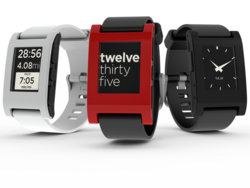
the product shipped to backers in early 2013. it was a smartwatch with an e-paper display, week-long battery life, bluetooth connection to ios or android phones, and an open SDK that let third parties build apps. for the first 18 months it was the only meaningful smartwatch you could buy. apple watch did not ship until april 2015.
between 2013 and 2016 pebble shipped four hardware generations (pebble, pebble steel, pebble time, pebble 2) and built a real developer ecosystem with thousands of third-party watch faces and apps. they had a cult following among hardware-curious users who valued battery life and openness over the polish of more expensive smartwatches.
on 7 december 2016 pebble announced it was being acquired by fitbit. the acquisition was for fitbit to get pebble's software team and IP, not to keep the pebble product alive. existing pebbles would keep working but the company stopped manufacturing new ones. the brand effectively died that day.
then in 2024 eric migicovsky, the original founder, bought the pebble brand back from google (which had acquired fitbit in 2021). repebble.com launched. the first new pebble watch (core 2 duo) shipped to backers in 2025. pebble is alive again.
~ the dossier ~
| Born | 11 April 2012 (Kickstarter campaign launched) |
|---|---|
| Original Kickstarter | $10.3 million raised (100x goal) |
| Killed | 7 December 2016 (Fitbit acquisition) |
| Resurrected | 2024 (Eric Migicovsky reclaimed the brand) |
| Lifespan (original) | 4 years, 8 months |
| Made by | Pebble Technology (Eric Migicovsky) |
| Killed by | Fitbit acquisition, the apple watch effect |
~ what made it different ~
pebble's main differentiation was battery life. while apple watch and other competitors had to be charged daily, pebble lasted a full week on a charge. the e-paper display was the secret. e-paper uses almost no power except when changing what is displayed. the watch face just sits there. it does not refresh. it is readable in direct sunlight.
the second differentiation was developer openness. anyone could write a watch face or an app for pebble. the SDK was free. the app distribution was open. there was no app store curation. the result was a community of enthusiast developers making watch faces, mini-games, fitness tools, and weird experiments. some of those creators eventually built professional products. some are still in the field in 2026.
the third differentiation was price. a pebble cost 99 to 250 dollars depending on the model. an apple watch was 350 to 700 dollars. for users who wanted basic notifications and time-keeping, pebble was an order of magnitude cheaper.
~ how it became important ~
pebble's kickstarter success in april 2012 was a milestone for the entire crowdfunding model. before pebble, kickstarter had been used mostly for indie creative projects. the pebble campaign showed that kickstarter could fund hardware products with real engineering complexity. dozens of subsequent hardware kickstarters cited pebble as the precedent that made their campaign possible.
the smartwatch category before pebble was uncertain. some companies (microsoft with spot, sony with smartwatch, samsung with various early gear devices) had tried smartwatches and not succeeded. pebble's success demonstrated the category could work, and partly motivated apple to ship apple watch in 2015.
the apple watch announcement in september 2014 was, in some ways, vindication for pebble. apple was entering the market pebble had pioneered. but apple watch's marketing budget and apple's brand power put real pressure on pebble. apple watch users got better app integration with iphone. the smaller pebble company could not match apple's full-stack experience.
~ the curtain ~
fitbit acquired pebble on 7 december 2016 for somewhere around 40 million dollars. this was a significant valuation drop from pebble's last private valuation (around 740 million in 2015). it was a fire sale.
the acquisition was specifically for pebble's software team and intellectual property. fitbit took the engineers and the patents. they did not continue manufacturing pebble watches. existing pebbles kept working because the cloud services kept running, but new units were not produced after late 2016.
existing users were given the option to side-load alternative firmware (rebble.io, a community-led firmware) once fitbit announced it would shut down pebble's official cloud services. rebble has kept original pebble watches running through 2026. the user community for original pebble is small but dedicated.
~ the resurrection ~
in late 2024 eric migicovsky announced he was bringing pebble back. he had reacquired the rights from google (which inherited them via the fitbit acquisition in 2021). the new pebble was branded as repebble.com. the first model, the pebble core 2 duo, shipped to backers in 2025. a second model, the pebble core time 2, shipped in 2026.
the resurrection is technically pebble. same brand. same founder. similar OS architecture. the watches use a re-implementation of pebbleOS. e-paper screens are back. battery life is back to a week. but the cultural moment of 2012-2016 is not coming back. the smartwatch market in 2026 is dominated by apple, samsung, and garmin. the new pebble serves a niche of nostalgic enthusiasts and battery-life fanatics. that is a smaller audience than the original pebble had.
the new pebble is good. people who buy it are happy with it. it does not change the smartwatch category the way the original 2012 pebble did. it is a successful niche product rather than a category-defining one.
~ what we lost (and got back) ~
the cultural moment is gone. the kickstarter milestone, the e-paper revolution, the open developer ecosystem, the period when pebble was the smartwatch you could buy. that moment was 2012-2015 and it is finished.
the niche product is back. eric migicovsky bringing pebble back is one of the rare cases of a tech founder reviving a dead product they personally created. it is meaningful. for the small audience that wants what pebble offers (battery life, openness, lower price than apple watch), the option exists again. that is a small but genuine win against the usual tech-company-graveyard pattern.
some HN readers pointed out, when this site first went up, that pebble was technically alive again. fair point. the cultural moment that this grave is mourning is the original 2012-2016 era. the new pebble is a real product. the old pebble's dominance is what is gone, and that part is permanent.
~ leave a rose ~
an anonymous tribute. one rose per visitor per day.
@}-->-- ... roses left here
~ leave a wreath ~
a rose fades by morning. a wreath stays on this grave for good, with your name on it.
paid once through stripe. payments are handled by OÜ Lakeview, the small company that keeps rip.so running. the money pays for the hosting and the nightly digging. adopt it and the headstone reads "maintained in memory by" you. the groundskeeper plants new wreaths at the next tending, usually within a day.
» one email a week: new graves and the anniversaries of the dead. subscribe
other gadgets: Pravetz, Sharp Mebius, Jupiter Ace, Nextbit Robin
also died in 2015-2019: Dikt.no, PlayStation Broadband Navigator, Khabaristan Times
~ leave a note ~
visitors before you have left these graveside notes. anonymous welcome.