Triggertrap
» see triggertrap.com as it lived, on the wayback machine
~ the last words ~
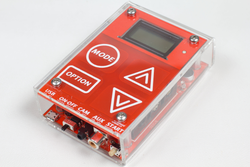
Triggertrap sold the small box that sits between a camera and the thing you want a picture of. The first product, funded on Kickstarter in July 2011, was an Arduino-based trigger that fired on light or on sound, with an auxiliary port for anything else that could produce an electrical signal. It asked for $25,000 and nearly 900 people put in more than $77,000. The company published the source code on GitHub and sold a cheaper Arduino shield version for people who wanted to solder.
Then came the product that actually made the money. Triggertrap Mobile was a dongle and a cable that let a phone fire the shutter, using the phone's own sensors for sound or motion, with timelapse and bulb ramping on top. It launched on iOS and reached Android in September 2012. For a few years it was the cheapest way for somebody with a secondhand SLR to shoot a water drop or a lightning strike.
Haje Jan Kamps, a Dutch photographer who had been running the blog Photocritic before any of this, ran the company from England. At its largest it employed fifteen people, from photographers to logistics staff. By the end it was a handful of them and a warehouse with some stock left in it.
~ the record ~
| Born | July 2011, as a Kickstarter for an Arduino-based camera trigger |
|---|---|
| Peak | 15 staff, and a Flickr group full of photographs taken with the hardware |
| Killed | 31 January 2017, wound down by the end of February |
| Lifespan | 5 years and 7 months |
| Made by | Haje Jan Kamps, a Dutch photographer working out of England |
| Killed by | a crowdfunded product that could not be manufactured, and ten months of missed payroll after it |
~ ada ~
In November 2013 Triggertrap went back to Kickstarter with Ada, a modular trigger meant to be the professional version of everything they had built so far. The goal was £50,000. Backers pledged £290,386. The shipping estimate was May 2014, then May 2015, and on 2 March 2015 the company announced it had failed to get the thing into production and would return the remaining 20 percent of the funds. The prototype had cost several times what was budgeted, and the manufacturing quotes came back higher again.
Backers were not gentle about it. The last shipping promise had been made less than three months before the cancellation, and some of them questioned where the rest of the money had gone and threatened to sue. The campaign page is still on Kickstarter, filed under the name the product had been redesigned into by then, Redsnap.
I never backed it, and I was not reading camera-gear crowdfunding in 2013. What I know is what Kamps wrote afterward, which is more than most founders in this position publish.
~ the goodbye email ~
On 31 January 2017 the customer list got a letter that Kamps posted to Medium with the FAQ attached underneath it. "Ever since our failed Kickstarter campaign, Triggertrap has been struggling. We've gone through several rounds of lay-offs to keep the company afloat, but ultimately, ended up being unable to save Triggertrap."
The FAQ is the part worth reading. Technical support stopped that day and users were pointed at a Reddit group. The shop would stay open for a couple of weeks at less than half price to clear the warehouse. Refunds were not available. Open-sourcing the apps was something they wanted to do and could not, because nobody would take on maintaining the codebase. Under "So, what happened?" it says the company owed its founders around $60,000 after ten consecutive months of struggling to make payroll. The letter ends by asking people to keep taking photographs "even as the company itself fades into the night".
~ what stayed working ~
One promise in that FAQ was kept in the cheapest possible way: the apps were left on the App Store rather than withdrawn, so anyone holding a dongle kept a working product after the company that sold it had been wound down. The business itself was gone by the end of February 2017.
Kamps went on to run another company and to write for TechCrunch. triggertrap.com has answered nothing at all for years.
~ leave a rose ~
an anonymous tribute. one rose per visitor per day.
@}-->-- ... roses left here
~ leave a wreath ~
a rose fades by morning. a wreath stays on this grave for good, with your name on it.
from $1, paid once through stripe. it keeps the graveyard running: the hosting and the nightly digging. adopt it and the headstone reads "maintained in memory by" you. the groundskeeper plants new wreaths at the next tending, usually within a day.
» one email a week: new graves and the anniversaries of the dead. subscribe
other gadgets: Samsung Gear Live, MSN Companion, Doppler Labs, T-Mobile Sidekick
also died in 2015-2019: Zuula, Experience Project, Samsung Gear Live
~ leave a note ~
visitors before you have left these graveside notes. anonymous welcome.